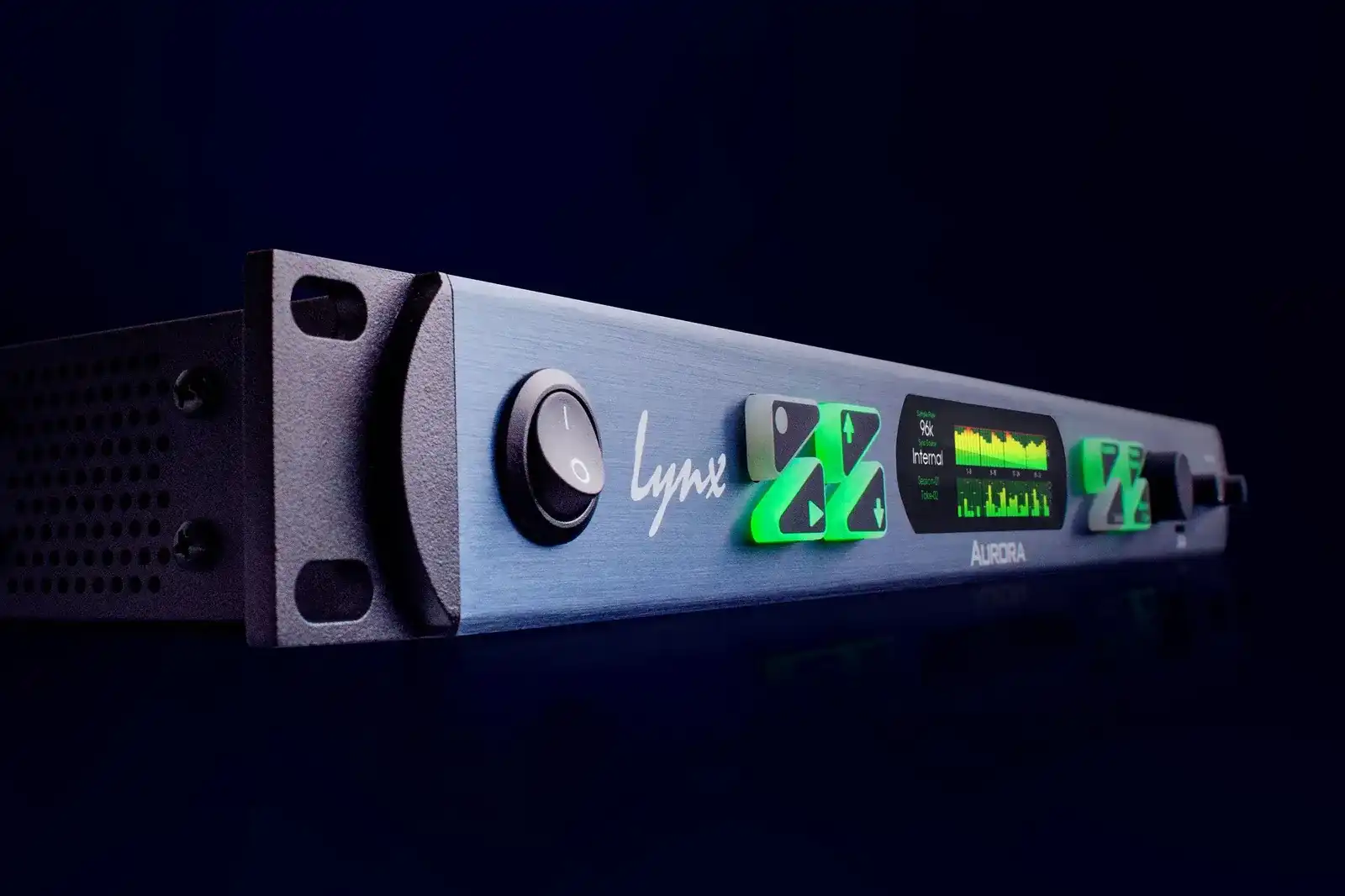
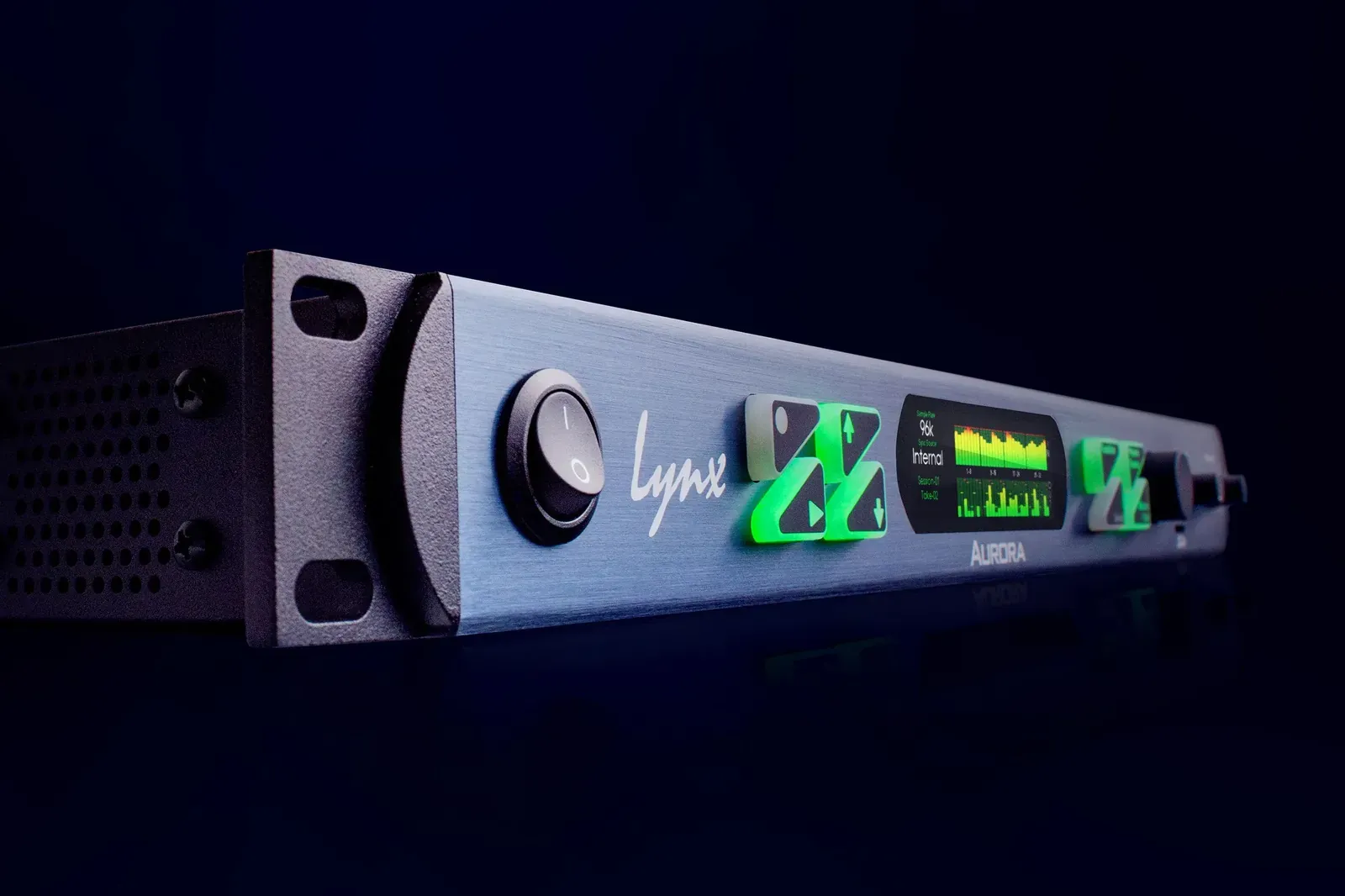
Aurora(n)
From PMT Audio:
Thank you for being here, and thank you for joining the conversation. Please indulge me with this quick caveat: While ruminating on the “From PMT Audio” entries here at the shop, you might experience a counter-narrative here and there. You typically will not be forced to endure a lecture on how equivalence is actively and in some cases, very intentionally being used on the internet to replace logic, but here we are. It is very obvious to everyone that has been to the shop, and to every studio owner that has either demoed or allowed me to darken their door and conduct a shoot-out at their place, that there is a shocking difference in converters. It is not subtle, it is not a case that it is a bit more sparkly at 3k. The differences in great converters and the rest of the pack are striking. And from the PMT Audio perspective, when choosing what to carry, it is also based on build quality, support, driver stability, longevity and of course most importantly the sound. So, while this PMT Audio section would normally be dedicated to the specific product impressions, when it comes to choosing the right converter, I find it rather necessary to have some philosophical and practical background information established. The Lynx Aurora comes in a variety of configurations, and I would love to take time with you to discuss your needs. It could be a rather quick discussion. “Tik, I need 32 in and out, I have a console and a tape machine and want the TB I/O, so shut your mouth and ship one to me”. Or we could examine your unique situation, for example if you have a smaller footprint, if you plan to record drums, now or in the future, if you are recording others, if you are just a songwriter working alone. So rather than a canned section, please take this section as an invitation to give me a call, and as a way to consider more deeply what you want at the moment, and what you could expand to later.
From Lynx Studio Technology:
Some manufacturers use multiple converters on a single chip. While that is one way to fit many converter channels in a single rack space while lowering costs, it comes at a steep cost in performance. At Lynx, the analog signal path for each channel has been designed as a self-contained and shielded circuit. Each channel pair has its own dedicated conversion device. This has many sonic advantages by significantly reducing crosstalk and distortion while increasing dynamic range and performance.
Design and technology borrowed from the development of the Hilo is used to significantly improve specifications and transparency over previous models while attaining stunning Hilo-like performance.
All new SynchroLock 2™ high-performance sample clock technology provides a whopping 300,000:1 reduction in jitter, 5 second lock time and absolute accuracy. Word clock I/O provides one input and three outputs on BNC connectors.
Specs
- Line in THD+N
- ‐113dB @1kHz, ‐1dBFS, 20kHz filter, +20dBu trim
- Line in dynamic range
- 119dB, A‐weighted, ‐60dBFS signal method
- Line in frequency response
- ±0.010dB, 20–20kHz
- Line in crosstalk
- ‐130dB maximum @ 1kHz, ‐1dBFS signal
- Line in common mode rejection
- greater than 80dB
- Line in full-scale trim settings
- +6dBV, 20dBu
- Line out THD+N
- ‐108dB @1kHz, ‐1dBFS, 20kHz filter, +20 dBu trim
- Line out dynamic range
- 120dB, A‐weighted, ‐60dBFS signal method
- Line out frequency response
- ±0.025dB, 20–20kHz
- Line out crosstalk
- ‐130dB maximum @ 1kHz, ‐1dBFS signal
- Line out full-scale trim settings
- +6dBV, 20dBu
- Headphone out THD+N
- ‐107dB @1kHz, ‐1dBFS, 20kHz filter, volume at max
- Headphone out dynamic range
- 120dB, A‐weighted, ‐60dBFS signal method
- Headphone out frequency response
- ±0.025dB, 20–20kHz
- Headphone out crosstalk
- ‐120dB maximum @ 1kHz, ‐1dBFS signal
- Headphone out output level
- 18.4dBu maximum
- Headphone out output power
- 68mW @ 600Ω, 135mW @ 300Ω, 383mW @ 60Ω, 212mW @ 32Ω, 100mW @ 16Ω
- LM-PRE4 mic input THD+N
- -111dB (0.00028%) @1kHz, ‐1dBFS, 20kHz filter @ 21.6dB gain
- LM-PRE4 mic input EIN
- -129dBu A-weighted, -60dBFS method
- LM-PRE4 mic input dynamic range
- 116dB A‐weighted, ‐60dBFS signal method @ 21.68dB gain
- LM-PRE4 mic input frequency response
- +0.01 / -0.08dB max. Deviation over 20-20kHz band, -1dBFS @ all gain settings
- LM-PRE4 mic input crosstalk
- -127dB max. Adjacent channel, -1dBFS, 1kHz @ 21.6dB gain
- LM-PRE4 mic input common mode rejection
- 75dB min. -1dBFS, 60Hz and 1kHz @61.6dB gain
- LM-PRE4 mic input full-scale input level for A/D
- 28.7dBu
- LM-PRE4 mic input impedance
- 2.1k Ohm
- LM-PRE4 mic input gain settings
- 5.6dB/13.6dB to 68.6dB in 1dB steps
- LM-PRE4 mic input pad attenuation
- 13.6dB
- LM-PRE4 mic input high-pass filter
- 80Hz, 12 dB / octave
- LM-PRE4 mic input connector
- Female XLR on Neutrik jack
- LM-PRE4 line input THD+N
- -113dB (0.00028%) @1kHz, ‐1dBFS, 20kHz filter @ 21.6dB gain
- LM-PRE4 line input dynamic range
- 119dB A‐weighted, ‐60dBFS signal method
- LM-PRE4 line input frequency response
- ±0.010 dB max deviation over 20–20kHz
- LM-PRE4 line input crosstalk
- -138dB max. adjacent channel, -1dBFS 1kHz @ 41.6dB gain
- LM-PRE4 line input common mode rejection
- 75dB min, -1dBFS, 60Hz and 1 kHz @ 61.6dB gain
- LM-PRE4 line input full-scale input level for A/D
- 20dBu
- LM-PRE4 line input gain settings
- Fixed
- LM-PRE4 line input connector
- Female XLR on Neutrik jack
- LM-PRE4 Hi-Z input THD+N
- -109dB (0.00035%) 1kHz, -1dBFS, 20kHz filter
- LM-PRE4 Hi-Z input EIN
- -115dBu A-weighted, -60dBFS method
- LM-PRE4 Hi-Z input dynamic range
- 114dB A-weighted, -60dBFS method @ 21.6dB gain
- LM-PRE4 Hi-Z input frequency response
- +0.01 / -0.05dB max. Deviation over 20-20kHz band, -1dBFS
- LM-PRE4 Hi-Z input crosstalk
- -132dB max. Adjacent channel, -1dBFS, 1kHz
- LM-PRE4 Hi-Z input full-scale input level for A/D
- 14.9dBu @5.6dB gain
- LM-PRE4 Hi-Z input impedance
- 1M Ohm unbal. (TS), 2M Ohm bal. (TRS)
- LM-PRE4 Hi-Z input gain settings
- Fixed: 5.6dB/13.6dB to 68.6dB in 1dB steps
- LM-PRE4 Hi-Z input connector
- TRS on Neutrik jack
- LM-DIG digital I/O module (optional)
- 16 input and 16 output channels of 24-bit AES/EBU, 44.1 kHz to 192 kHz sample rate support, Two 25-pin female D-subs, Yamaha digital I/O pinout
- Software
- Lynx NControl for Aurora(n) USB, Thunderbolt & Dante models
- Analog input connections
- Aurora(n) 8 - 1 x DB25, Aurora(n) 16 - 2 x DB25, Aurora(n) 24 - 3 x DB25, Aurora(n) 32 - 4 x DB25
- Analog output connectors
- Aurora(n) 8 - 1 x DB25, Aurora(n) 16 - 2 x DB25, Aurora(n) 24 - 3 x DB25, Aurora(n) 32 - 4 x DB25
- Dimensions
- Depth - 10 inches, Width - 19 inches, Height - 1.7 inches
- Weight
- Aurora(n) 8 - 7 pounds, Aurora(n) 16 - 7.1 pounds, Aurora(n) 24 - 7.2 pounds, Aurora(n) 32 - 7.3 pounds
Source: Lynx Aurora(n) product page, Technical specification section